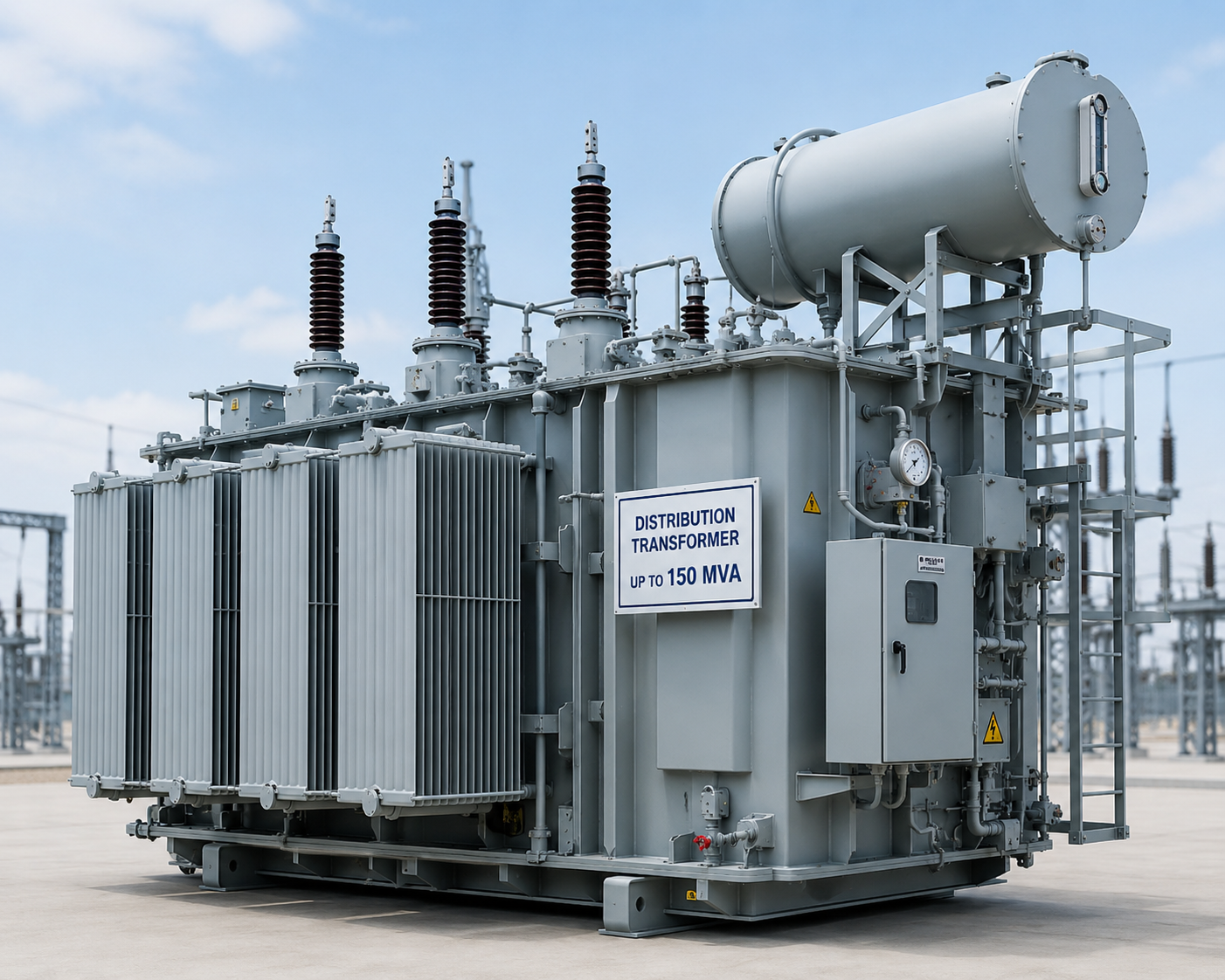
The Role of Transformers in Industrial Growth
Distribution transformers are the backbone of any industrial facility's power network. As industries scale up their operations, the demand for robust, highly efficient, and reliable transformers has skyrocketed. Understanding the technological advancements in this field is crucial for facility managers and electrical engineers looking to optimize their plant's performance.
At Aaravi Power Solution, we have observed a significant shift towards energy-efficient designs. Older transformers often suffer from high core losses (no-load losses) and copper losses (load losses). Modern manufacturing techniques and superior materials have drastically reduced these inefficiencies.
"Investing in a high-efficiency transformer is not an expense; it is a strategic asset that pays for itself through reduced energy bills and minimized downtime."
— Head of Engineering, Aaravi Power SolutionKey Technological Advancements
Over the past decade, several key innovations have transformed the landscape of distribution transformers:
- Amorphous Core Technology: Replacing traditional silicon steel with amorphous metal cores can reduce no-load losses by up to 70%. This is particularly beneficial for transformers that remain energized 24/7.
- Improved Winding Techniques: Advanced winding machines ensure uniform tension, reducing the risk of hot spots and improving the short-circuit withstand capability.
- Smart Monitoring Systems: Modern transformers often come equipped with sensors that monitor temperature, oil pressure, and dissolved gases in real-time, enabling predictive maintenance.
- Eco-friendly Insulating Fluids: There is a growing trend towards using biodegradable ester fluids instead of traditional mineral oils, significantly reducing the environmental impact in case of a leak.
Selecting the Right Transformer for Your Plant
When upgrading or installing new transformers, several factors must be carefully evaluated:
1. Load Profile Analysis: Understanding your facility's peak and average load is essential. Oversizing leads to unnecessary capital expenditure and higher no-load losses, while undersizing risks overheating and premature failure.
2. Efficiency Standards: In India, the Bureau of Energy Efficiency (BEE) and IS 1180 mandate specific efficiency levels (Star Ratings) for distribution transformers. Ensuring compliance not only guarantees regulatory adherence but also long-term savings.
3. Environmental Conditions: The installation site's ambient temperature, altitude, and humidity play a critical role. Transformers installed in harsh industrial environments may require special enclosures and superior corrosion protection.
Crucial Consideration: Always account for non-linear loads such as Variable Frequency Drives (VFDs) and welding equipment. These generate harmonics that can cause significant overheating in standard transformers. In such cases, a K-rated or specially designed transformer is required.
Aaravi's Commitment to Quality
At Aaravi Power Solution, we partner with industry leaders to supply transformers that meet the highest standards of quality and performance. Our engineering team provides end-to-end support, from load calculation and transformer selection to installation and commissioning.
We believe that a well-designed power distribution system is fundamental to industrial success. By staying abreast of the latest technological advancements, we ensure our clients receive solutions that are reliable, efficient, and future-proof.